A Dietitian's pick: Our favourite electrolytes for POTS in Australia, 2026 update
What is POTS?
Postural Orthostatic Tachycardia Syndrome (POTS) is a condition that affects the Autonomic Nervous System, which is a branch of the nervous system regulating automatic bodily functions.
People with POTS experience a dysregulation in the autonomic nervous system (Dysautonomia), resulting in increased ‘sympathetic tone’, or an elevated fight-flight-freeze response. This can result in a wide range of systemic symptoms like dizziness, rapid heartbeat, nausea and gut motility changes, brain fog, temperature sensitivity and fatigue.
Common triggers include orthostatic changes (e.g. moving from lying down and standing up or prolonged standing), warm environments, allergies, eating, dehydration, sex hormone changes, and more.
In 2026, we are still learning about what exactly causes POTS. It’s well understood that POTS commonly co-exists with conditions like Ehlers-Danlos Syndromes and Hypermobility Spectrum Disorder, Myalgic Encephalomyelitis (ME/CFS), Long COVID, and Mast Cell Activation Syndrome.
Why sodium and fluid are the cornerstones of POTS management
Proper hydration and electrolyte intake are crucial for managing POTS symptoms, in order to regulate blood pressure and heart rate.
Here we will share our favourite electrolytes for POTS that are available in Australia in 2026, so you can find one that is right for you!
Please note: check with your health care team (Cardiologist, GP and/or Dietitian) before increasing sodium! People with high blood pressure or on heart medications may not need additional sodium. For more information on why electrolytes can be helpful in POTS, check out our previous blog article on POTS & Hydration.
Sodium vs Salt
When discussing electrolytes for POTS, it's essential to distinguish between sodium and salt.
While "salt" generally refers to sodium chloride (that is, our table salt), sodium itself is a vital mineral (Na in the periodic table) that helps regulate blood pressure and fluid balance.
For POTS patients, increasing sodium intake can improve blood volume and pressure, reducing symptoms - and this is typically achieved through consuming more “salt".
The recommended daily sodium intake for POTS patients varies, but it can range from 2,000 to 10,000 mg sodium (2-5 tsp table salt) per day conservatively, depending on individual needs.
👉 Remember! ½ tsp table salt is roughly equivalent to 1000mg sodium.
What to Look for in an Electrolyte
Choosing the right electrolyte for POTS is critical for managing the condition. Here are key factors to consider:
Sodium content: We need sodium to help regulate our blood volume, which is key to managing POTS. To help you meet the 4,000-10,000mg daily sodium target for POTS, it’s best to choose electrolytes that contain at least 300mg sodium per serve.
Sodium - Potassium Ratio: Ideally we want electrolytes that contain 5 parts sodium to 1 part potassium. This is because too much potassium may potentially put unwanted strain on the kidneys. For example, if an electrolyte contains 500mg sodium, it should contain around 100mg potassium.
Sugar content: While some sugar can aid in absorption and hydration, high sugar content can often impact blood sugar levels. Opt for electrolytes that contain <5g sugar per serve.
Minimal colours and natural flavours (if you have MCAS!): Some products contain flavours which can be MCAS triggers (e.g. citrus, pineapple). If you know you are sensitive to these or synthetic flavours, colours or certain preservatives, make sure to avoid these. If you have aspergillus mould allergy, you may benefit from avoiding synthetic citric acid, so look out for this in the label.
Ease of Use: Consider the form (powder, tablet, drink) and convenience of the supplement. If you need to work on your fluid intake, a powder form may be better.
Added micronutrients: it’s not uncommon for some electrolytes to contain added vitamins and minerals, like B Vitamins, Vitamin C and Zinc. If you are having more than one or two serves of these products a day, it is worth checking in with your Dietitian or GP as you may need to limit your intake of these products or have additional blood tests (e.g. a B6 test to check for toxicity). For people with POTS, no added micronutrients is usually best!
Our favourite electrolytes for POTS
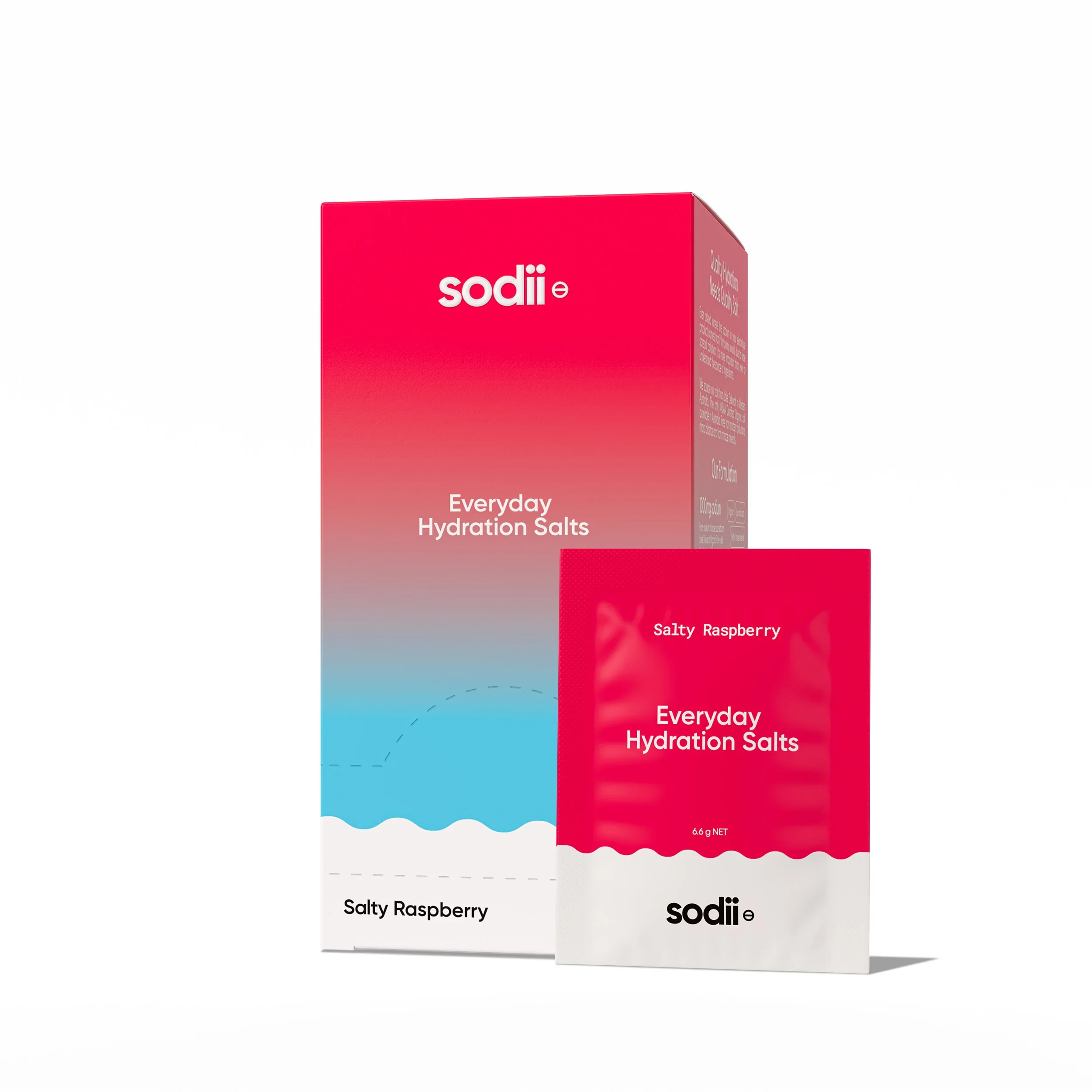
1. Sodii
Sodii is one of the best electrolytes for POTS, particularly for those who struggle with hydration and have sodium requirements on the higher side. They have an innovative flavour selection, including a neutral flavour, which you can get in a sample pack to try. Several of their flavours are also citric acid free.
Best for: people with high sodium requirements, on-the-go sachets available, low excipient product.
Price: $2.30 per serve (for a 30 sachet pack)
Flavours: Mandarin, Pineapple, Kiwi, Citrus, Raspberry, Passionfruit, Grapefruit, Unflavoured, Chocolate
Texture: flat (no bubbles)
Electrolytes per serve:
Sodium: 1000mg!
Potassium: 210mg
Magnesium: 70mg
Sugar: 0g
We have a discount code ‘SAVVYALEISHA’ or ‘SAVVY’ for 15% off Sodii products
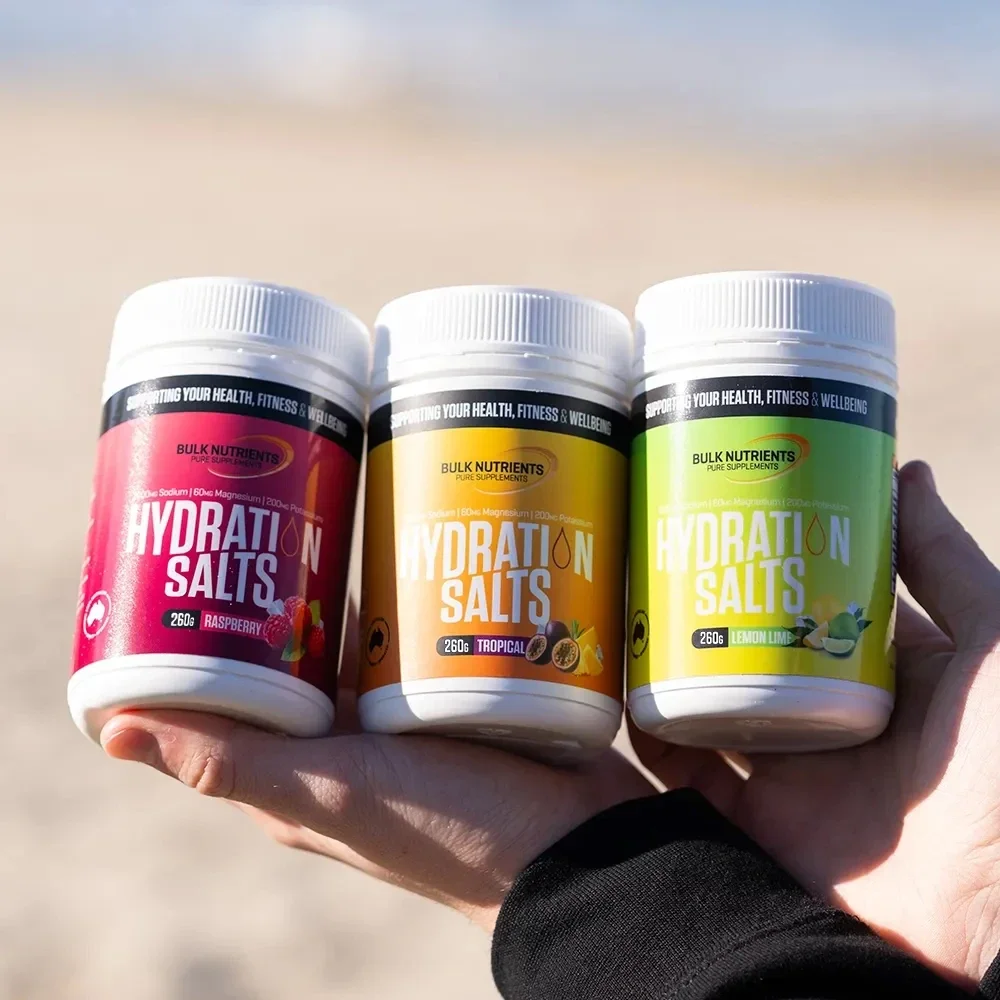
2. Bulk Nutrients Hydration Salts
Bulk Nutrient Hydration Salts are a cost-effective electrolyte option for those living in Australia. They currently have a modest flavour range, which are all colour free and sugar free (stevia and thaumatin are used as sweeteners).
Best for: people with high sodium requirements, low cost option.
Price: $0.74 per serve
Electrolytes and sugar per serve:
Sodium: 1000mg!
Potassium: 200mg
Magnesium: 60mg
Sugar: 0g
Flavours: Lemon-Lime, Raspberry, Tropical
Texture: flat (no bubbles)
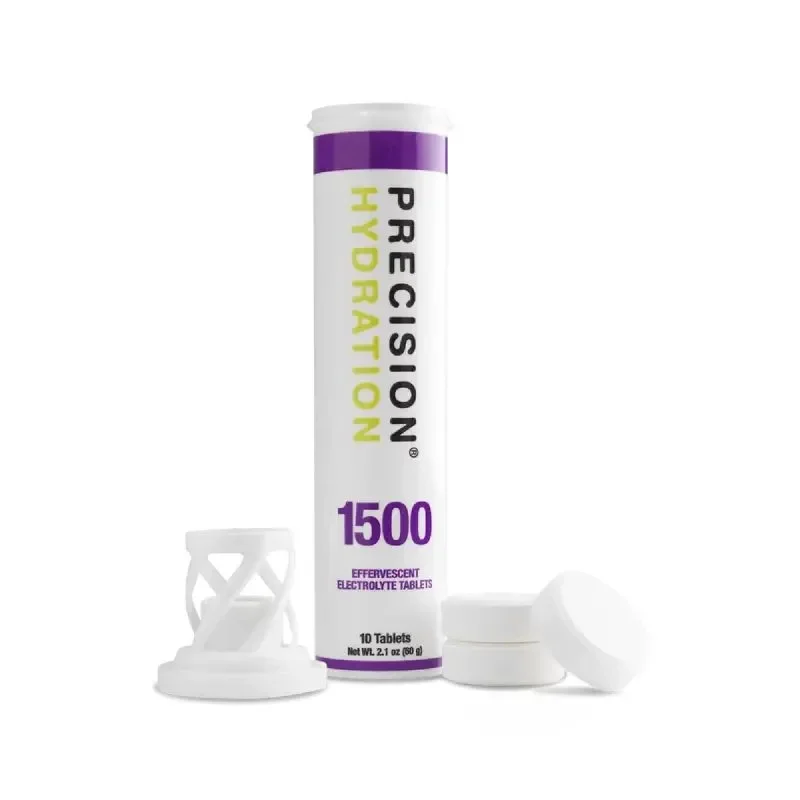
3. Precision Hydration 1500
Precision Hydration 1500 is a great on-the-go sodium supplement for those who dislike strongly flavoured electrolyte drinks. They also contain a small amount of glucose per tablet, which helps to facilitate the absorption of sodium and may reduce gut distress.
Best for: on the go option, people who experience gut upset from high sodium electrolytes, low flavour profile.
Price: $1.70 per tablet
Electrolytes and sugar per serve:
Sodium: 750mg
Potassium: 125mg
Calcium: 24mg
Magnesium: 12mg
Glucose: 1.8g
Flavour: one option - which is slightly sweet with a light citrus flavour.
Texture: effervescent (bubbles!)
4. Vitassium salt capsules extra strength
Vitassium salt capsules extra strength are one of the few non-liquid electrolyte options which contain more than 100mg sodium per serve, and some potassium. Most people find they can tolerate two capsules per serve. Note, it’s important to ensure you’re having enough fluids alongside these.
Best for: those who dislike electrolyte drinks, lower excipient option.
Price: $0.53 per capsule
Electrolytes and sugar per capsule:
Sodium: 375mg
Potassium: 50mg
Sugar: 0g

5. Vital Zing Water Drops + DIY Electrolyte Mix
For those looking to maximise flexibility and reduce costs, making up your own electrolytes using a few products can be a great option.
For the flavouring: Vital Zing Water Drops.
These are sugar-free, stevia based flavouring drops which are also free from preservatives and artificial ingredients. They currently have 13 flavours in their Water Drop range, and 3 flavours in their Soda Drop range.
Cost: $5.25 NZD per bottle
For the electrolytes: use between ½ tsp to 1 tsp of iodised or sea salt (provides 500mg to 1000mg sodium) per serve
For the liquid: 250-500mL of still or sparkling water per serve. If you are new to higher sodium electrolytes, start with a lower amount of sodium, or larger volume of water to make a more dilute electrolyte drink.
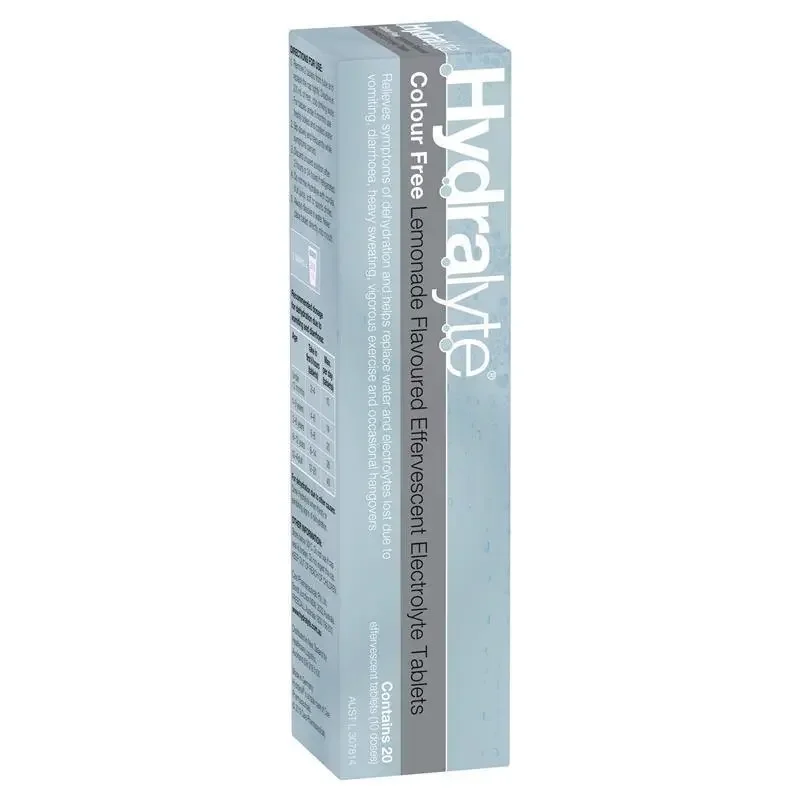
6. Hydralyte
Hydralyte is possibly one of the most well known electrolytes that can be bought at most supermarkets and chemists. It comes in various forms, including tablets, powders, and ready-to-drink solutions, catering to different preferences. While its sodium content is lower than Sodii and other options, it's a good option for those needing moderate electrolyte support.
Best for: management of mild POTS
Price: $0.85 per tablet (for 20 tablet pack)
Electrolytes per tablet:
Sodium: 138mg
Potassium: 78mg
Magnesium: 0mg
Glucose: 1.62g
Texture: effervescent (bubbles!)
Flavours: many, including lemonade, watermelon, tropical, peach, apple, orange, passionfruit, raspberry.
So, what's the verdict?
At the end of the day there is no one-size-fits-all electrolyte for POTS. Depending on your needs, it's important to consider sodium, carbohydrates and cost when making your selection. '
Remember, electrolyte supplements aren't the only way to meet sodium requirements with POTS. So if you're finding they're not your cup of tea don't stress, there are lots of other great options including salting food and salt tablets.
If you're still not sure which electrolyte is right for you or if you are having trouble managing your POTS, book an appointment with the Savvy Dietetics team for a personalised plan.
Disclosures: we have an affiliate link with Sodii which we receive commission from. We do not have financial affiliations with any other brands listed in this blog. Credit for all photos in this blog go to their respective brand's website. Our blog cover photo was shot by Belinda Dorman Photo and Film.
This blog post was published on 5th July 2024 and received 24,813 views before we migrated websites in January 2026. It has since been reviewed and updated on 23rd September 2026.